How to Find the Ideal ReactJS Development Partner
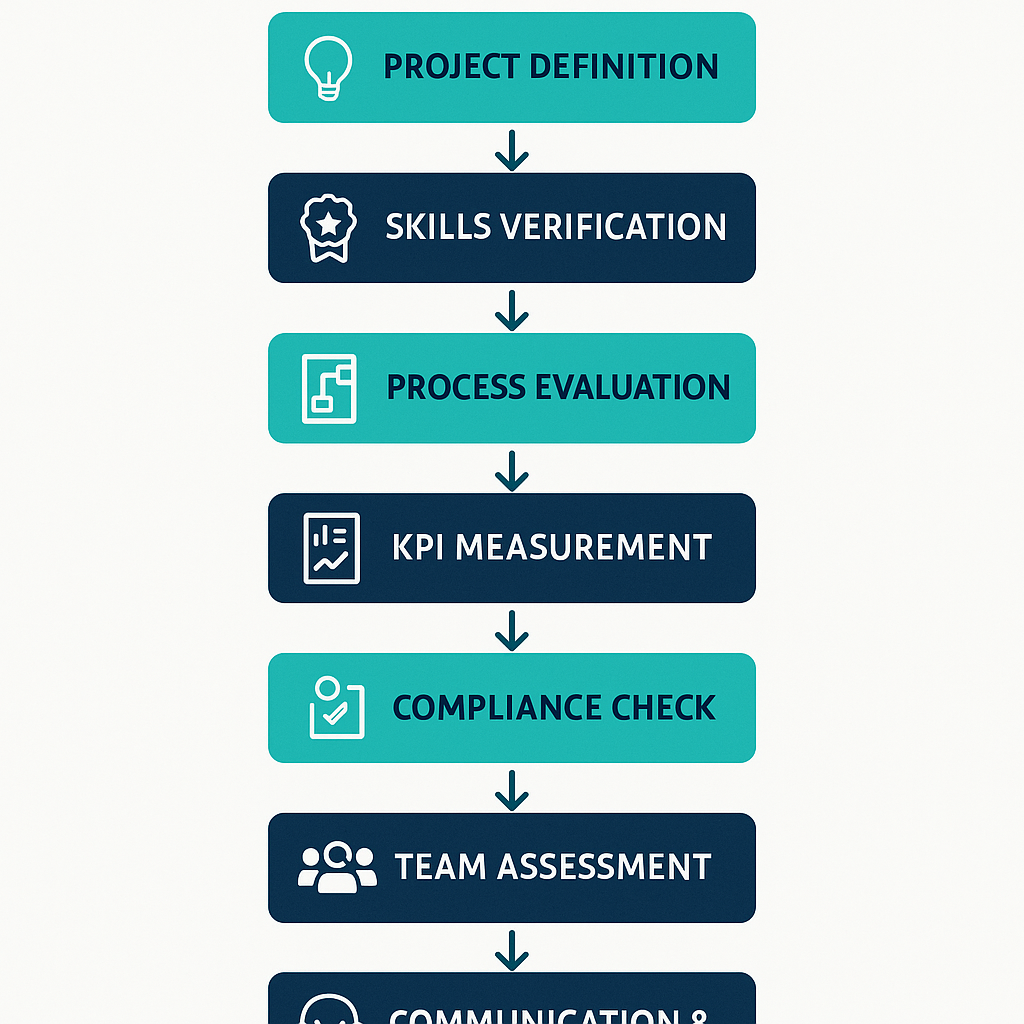
This checklist covers the technical and delivery checks to make before choosing a ReactJS development company, from project requirements and React expertise to process, compliance, team mix and performance practices. To compare the evidence you collect across shortlisted suppliers, use the ReactJS agency supplier scorecard alongside these checks.
Define Your Project Requirements
Start by listing your features, timeline and budget. A clear scope helps you compare vendors on a level field and avoid scope creep later. Share wireframes or user stories so each candidate can estimate accurately.
Requirement | Description | Example |
|---|---|---|
Features | List key functionalities | User authentication, real-time chat |
Timeline | Target completion date | 6 months |
Budget | Estimated project budget | $50k–$70k |
Before evaluating companies, decide whether your scope calls for a team or a solo developer. Compare costs, continuity and project fit in our ReactJS agency-versus-freelancer guide; then use the checks below if a company suits your needs.
Verify ReactJS Expertise and Ecosystem Proficiency
Don’t just ask if they "know React"—dig into their hands-on experience.
Years of React projects delivered
Types of applications (SPAs, SSR, mobile web)
Scale of past work (number of users, data complexity)
Modern Ecosystem Tools
Make sure they can work with today’s essential libraries and frameworks:
Tool | Purpose |
|---|---|
Zustand | State management |
React Hooks & Context API | Functional components & context handling |
Next.js | Server-side rendering |
TypeScript | Typed codebases |
TRPC | Efficient data fetching |
Zustand for state management
React Hooks and Context API for functional components
Next.js for server-side rendering
TypeScript integration for typed codebases
TRPC data fetching for efficient queries
Github Actions for CI/CD pipelines
Evaluate Development Process and Transparency
A predictable workflow means fewer surprises.
Agile or Scrum ceremonies
Sprint lengths and review cycles
Issue tracking tools (Asana, Linear, Github)
Measuring KPIs
Track objective performance by asking how they report on:
Velocity and sprint completion rate
Bug rate per release
Time-to-market
UX satisfaction scores
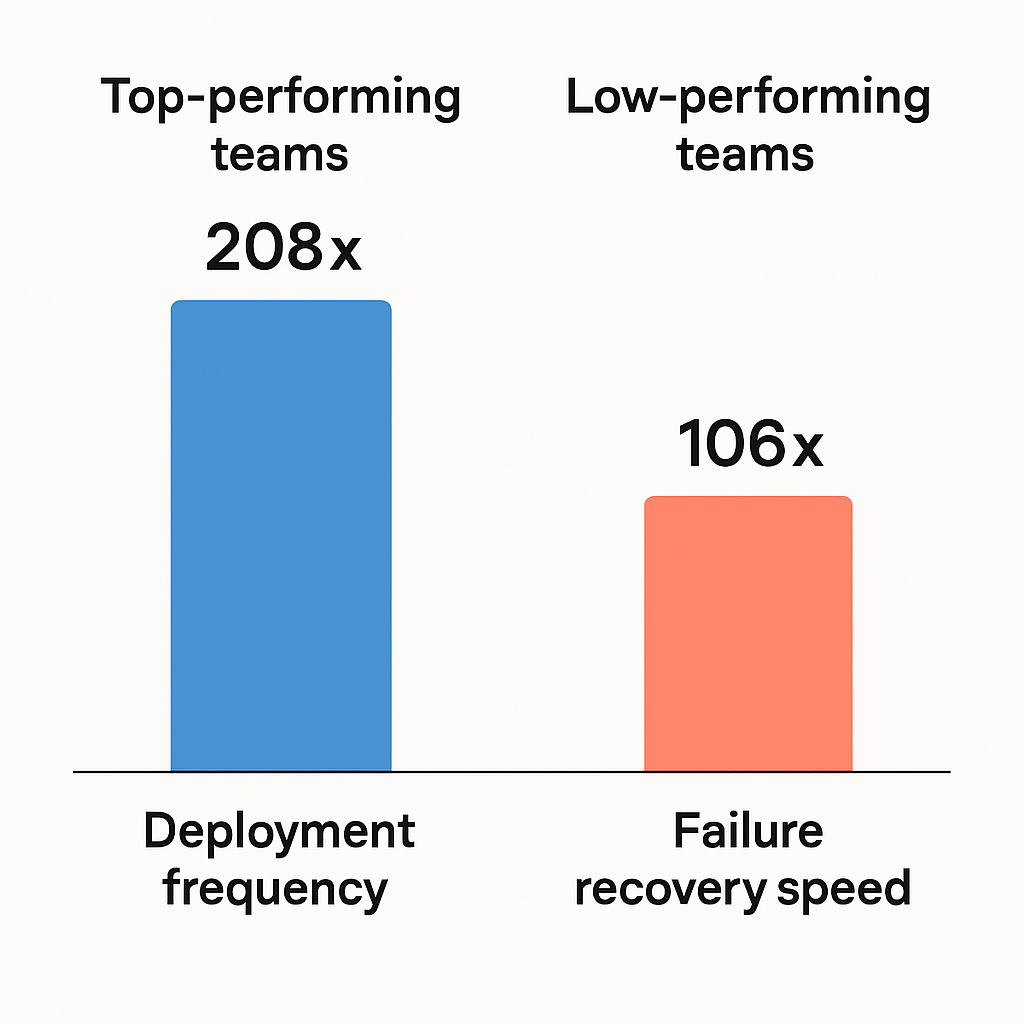
Deployment frequency and mean time to recovery
According to Atlassian, teams that monitor project management metrics see clearer progress and faster feedback loops.
Assess Security, Compliance and IP Protection
If you handle user data or regulated information, vet their policies:
Data encryption and access controls
Non-disclosure agreements and IP assignment
Compliance with GDPR
SOC 2 compliance as described in its Wikipedia overview
HIPAA standards for U.S. health data protection
Review Team Skills and Collaboration Practices
A one trick pony React coder isn’t enough for most projects. Look for well rounded developers: Full-stack developers that have a sense of UI/UX and can do QA and light DevOps; as well as understand your business.
Scalable Engagement Models
Ask if they let you scale the team up or down as your needs change—without missing beats on code quality or deadlines.
Quality Assurance and Performance Optimization
A robust app needs both solid testing and fine-tuned delivery.
Testing frameworks like Jest and React Testing Library
Automated test coverage reports
Strategies for lazy loading, bundle analysis and caching
The 2020 State of DevOps Report provides background on delivery practices, but industry benchmarks cannot establish how a prospective vendor performs. Ask candidates for examples of their own release cadence and incident recovery.
Communication, Reporting and Ongoing Support
Healthy partnerships rely on clear dialogue.
Preferred chat channels (Slack, Microsoft Teams)
Regular status calls and written summaries
Post-launch maintenance plans and SLA guarantees
Check Portfolio, Testimonials and Pricing
Before you sign:
Review case studies similar to your industry or scope.
Read client reviews on Clutch.
Compare pricing models—fixed bid, time-and-materials or dedicated team.
Ready to Get Started?
You now have a checklist—from project definition and tech stack to KPIs, compliance, team mix and performance. Use it to shortlist three firms, run a small pilot if possible, then pick the one that proves its value on day one.
If you decide to build an in-house React team instead of hiring a development company, use our guide to hiring senior ReactJS developers to plan sourcing, candidate assessment and onboarding.
For a focused next step with shortlisted firms, use the ReactJS agency technical assessment to structure a code walkthrough, failure scenario and release discussion with the proposed engineers.
Good luck with your ReactJS journey!